How Schools Can Support Students’ Emotional Intelligence
posted on Mar 13, 2026
Learn how schools support emotional intelligence in students through safe environments, teaching practices, and holistic development for future success.
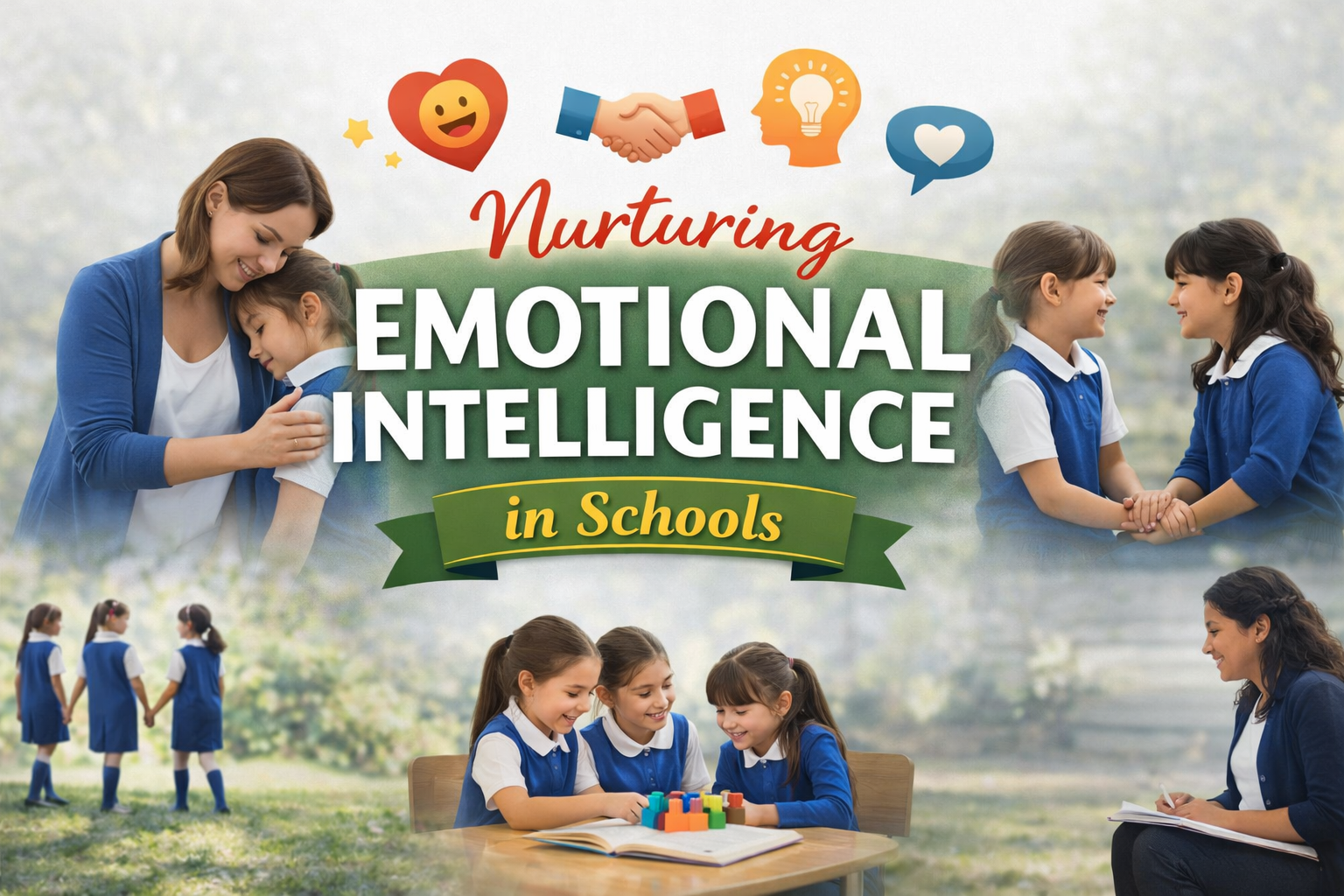
Education today is no longer limited to academic achievement alone. While strong subject knowledge remains important, there is growing awareness that a child’s emotional development plays an equally critical role in their overall growth. Emotional intelligence which refers to the ability to understand, manage, and express emotions effectively, shapes how students learn, build relationships, and respond to challenges throughout life.
Schools have a unique responsibility and opportunity to nurture emotional intelligence from an early age. When emotional learning is woven into everyday school experiences, students develop confidence, empathy, resilience, and a healthy sense of self.
Understanding Emotional Intelligence in School Life
Emotional intelligence includes skills such as self-awareness, emotional regulation, empathy, communication, and social understanding. In a school setting, these skills influence how students handle academic pressure, interact with peers, and respond to success or failure.
Children who are emotionally supported tend to participate more openly, cope better with stress, and develop stronger relationships. Schools that recognise this create environments where learning feels safe, balanced, and meaningful.
Creating a Safe and Emotionally Supportive Environment
The foundation of a conducive learning environment begins with safety -- not just physical safety, but also emotional. Students learn best when they feel respected, heard, and accepted.
Schools can support this by:
- Encouraging open communication between students and teachers.
- Treating mistakes as learning opportunities rather than failures.
- Building classrooms where questions, opinions, and emotions are welcomed.
In environments where students feel secure, they are more likely to express themselves honestly and develop confidence in their own thinking.
Teachers as Emotional Guides, Not Just Instructors
Teachers play a central role in shaping emotional intelligence. Beyond delivering lessons, educators influence how students understand emotions, relationships, and self-discipline.
When teachers listen patiently, respond with empathy, and model calm problem-solving, students learn these behaviours naturally. Simple practices like acknowledging feelings, encouraging reflection, and guiding students through conflicts help build emotional maturity over time.
Continuous teacher training also helps educators recognise emotional needs and respond thoughtfully, especially during critical developmental stages.
Encouraging Self-Awareness and Emotional Expression
Helping students recognise and name their emotions is a key step in developing emotional intelligence. Schools can encourage this through discussions, reflective activities, storytelling, and age-appropriate conversations about feelings.
When students understand what they are feeling and why, they are better equipped to manage emotions constructively. This reduces anxiety, improves focus, and strengthens decision-making skills.
In a supportive girls school in Dwarka, such practices often help students feel more comfortable expressing themselves, building confidence and emotional clarity during formative years.
Building Empathy and Social Awareness
Emotional intelligence is not only about understanding oneself, but also about understanding others. Schools support empathy by encouraging collaboration, group activities, and respectful dialogue.
Through teamwork, discussions, and shared responsibilities, students learn to consider different perspectives and respond with sensitivity. These experiences help children develop compassion, patience, and strong interpersonal skills.
Schools that prioritise social learning often see healthier peer relationships and a more inclusive school culture.
Integrating Emotional Learning into Daily School Life
Emotional intelligence need not be taught as a stand-alone subject; rather it can be integrated naturally into daily routines, classroom interactions, and co-curricular activities.
Sports, arts, group projects, and leadership opportunities all provide powerful settings for emotional growth. These experiences teach students how to handle competition, disappointment, cooperation, and responsibility in real situations.
Many of the best schools in Dwarka intentionally use such activities to balance academic learning with emotional and social development.
Supporting Wellbeing Through Guidance and Counselling
Access to guidance counsellors and mentoring systems strengthens emotional support in schools. Counsellors help students navigate stress, peer issues, academic pressure, and personal concerns in a safe and confidential space.
Early guidance prevents emotional challenges from escalating and reinforces the message that seeking support is a strength, not a weakness.
Why Emotional Intelligence Matters for the Future
Students with strong emotional intelligence are better prepared for life beyond school. They adapt more easily to change, manage relationships effectively, and approach challenges with resilience.
As education evolves to prepare students for an unpredictable world, emotional intelligence becomes as essential as academic knowledge. Schools that prioritise emotional development equip students not only to succeed academically, but to thrive personally and socially.
A Balanced Approach to Education
Supporting emotional intelligence is not an added responsibility; it is a natural extension of meaningful education. When schools nurture both the mind and the heart, students grow into confident, empathetic, and capable individuals.
By creating supportive environments, empowering teachers, and valuing emotional wellbeing, schools play a vital role in shaping learners who are prepared not just for exams, but for life itself.